Real results.
Translation is infrastructure, not content. These cases show what happens when it is done well â and what it cost when it was not done at all.
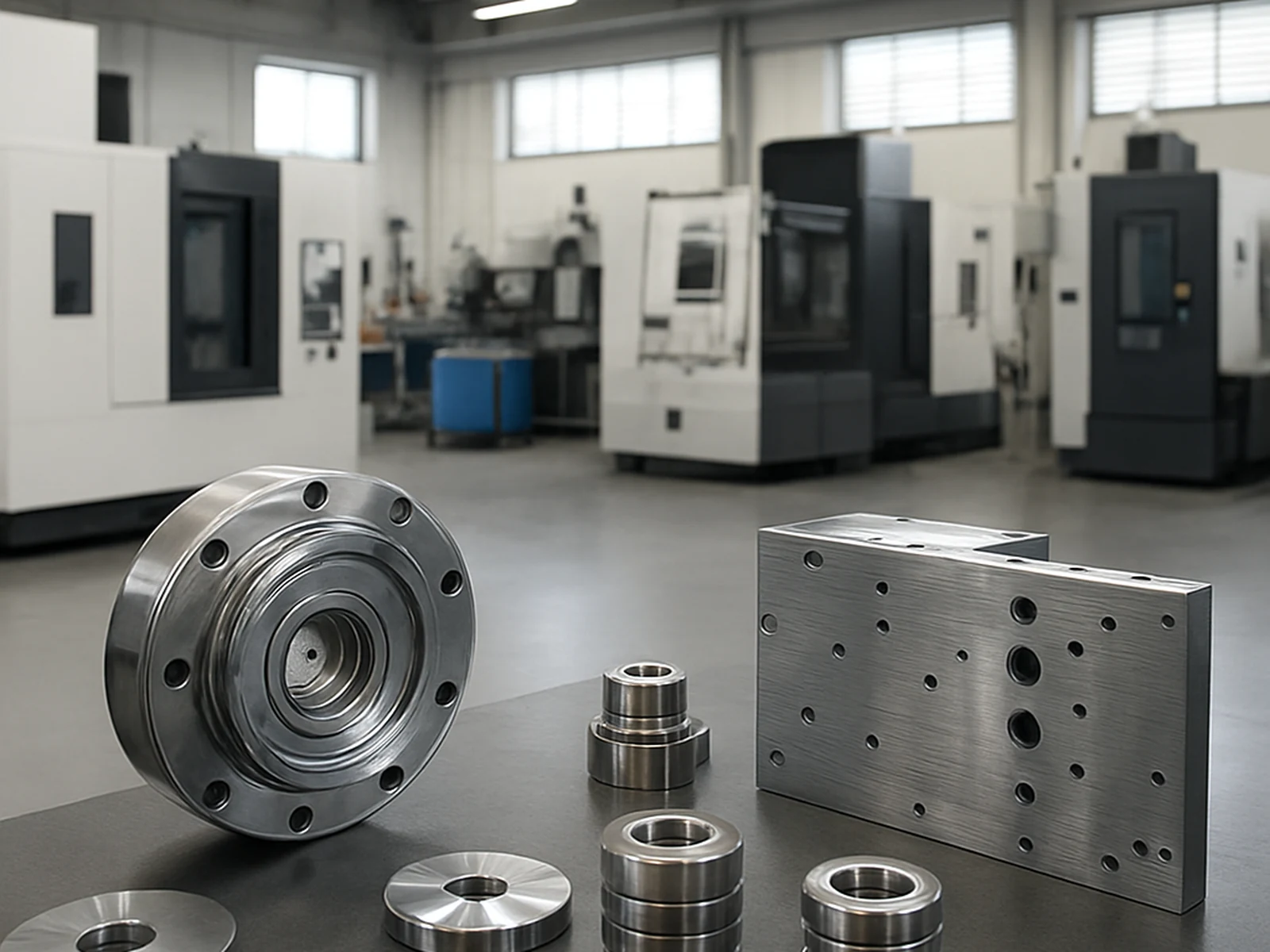
A Brescia-area precision machinery manufacturer needed complete translation of product documentation â user manuals, installation guides, maintenance protocols, and safety instructions â for entry into German, French, and UK markets. The project ran over 18 months as new products were released. All documentation was translated to EN 82079 standard for operating instructions and accepted by the relevant certification bodies without correction requests. The German-speaking sales director confirmed that German distributors reported the documentation as âamong the best they had seen from an Italian manufacturer.â
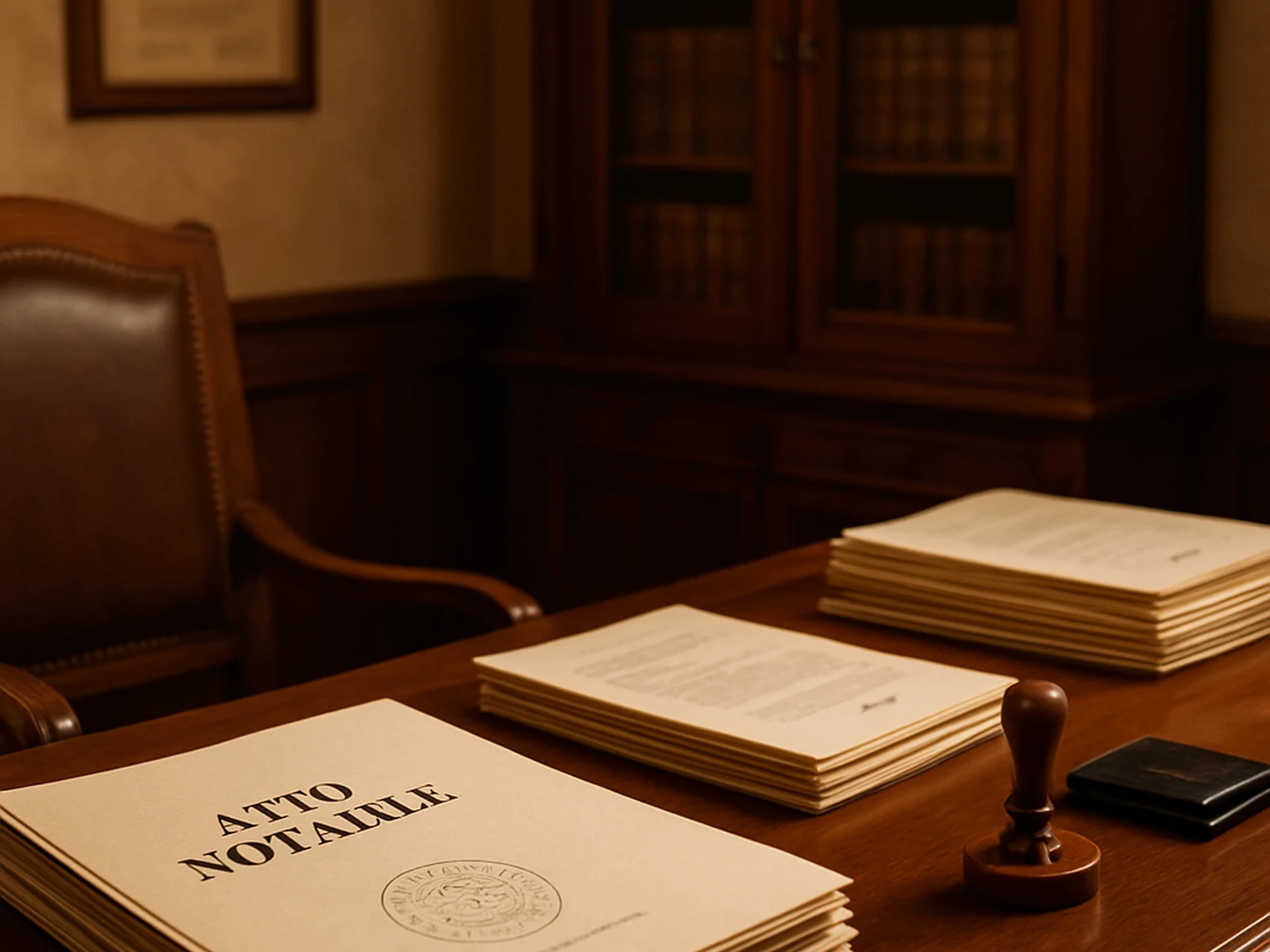
A Brescia notary practice with a regular flow of international clients requiring certified translations of deeds, inheritance documents, corporate powers of attorney, and real estate contracts. Over three years, 80+ individual documents were translated between Italian, English, German, and Arabic. No document was rejected by any Italian court, public registry, or international party on grounds of translation quality or certification. The practice now books all translation work with Elite Translations as a standing arrangement.
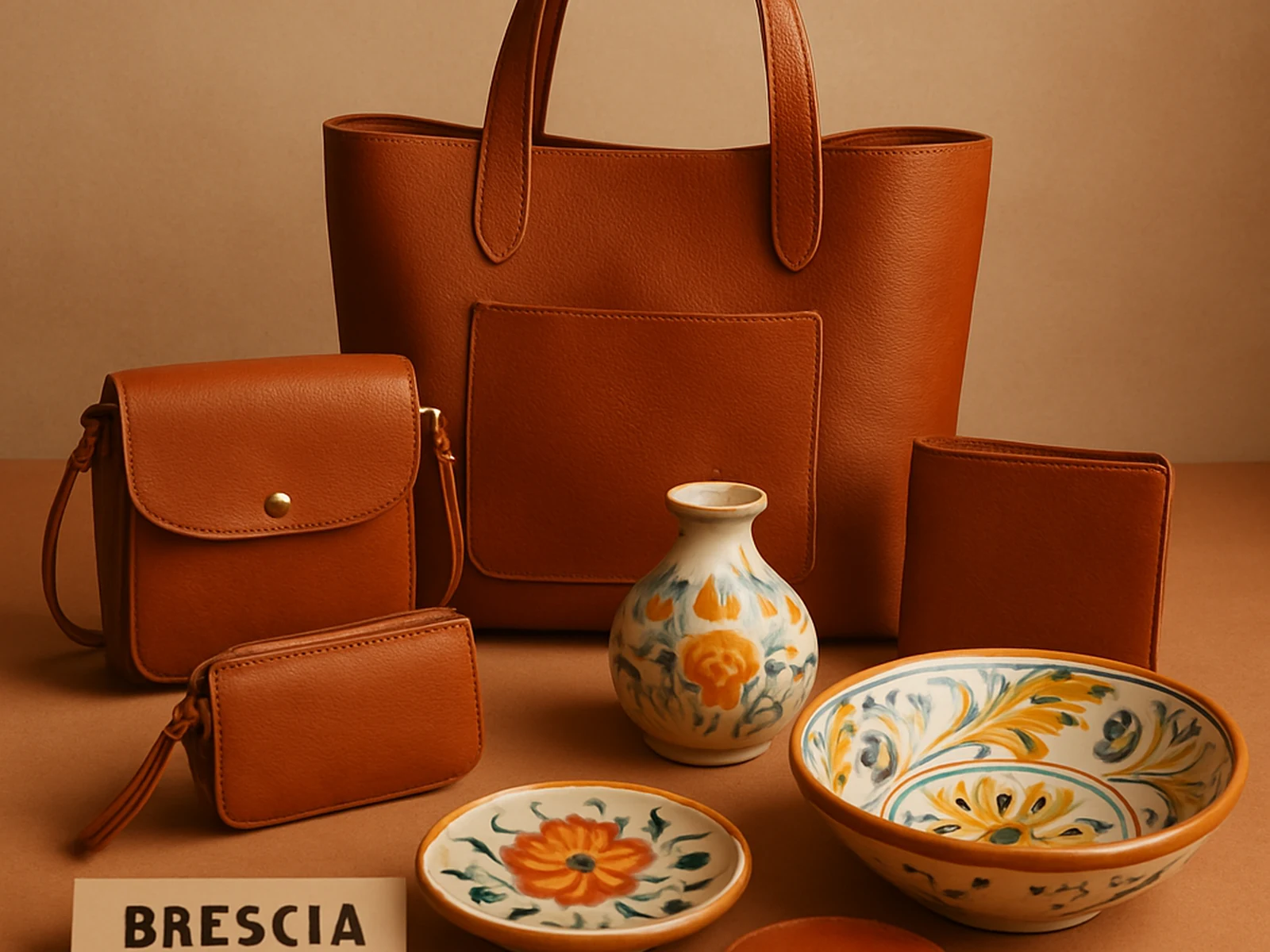
A Brescia artisan cooperative producing leather goods and ceramics wanted to sell internationally directly, bypassing distributors. Their Italian-language site was localised into English, Spanish, and Mandarin. The English and Spanish versions were straightforward; the Mandarin version involved significant cultural adaptation around trust signals, payment expectations, and the framing of artisan production for a Chinese consumer audience. International traffic increased 340% within 12 months. The Chinese distribution partner confirmed the Mandarin version read naturally.
A Lombard pharmaceutical company entering the German and UK markets required translation of EMA-format regulatory dossiers for two medicinal products. This is among the most demanding translation work in the technical sector: terminology must align with EMA guidance documents, clinical nomenclature must be consistent, and any deviation can trigger a regulatory information request that delays market entry by months. Both dossiers were submitted to the respective National Competent Authorities. Both were accepted without information requests relating to the translated content.
Your project
next.
Send us your document and we quote within one business day.